











Accidents Keep Happening. The Alarm Never Stops Ringing.
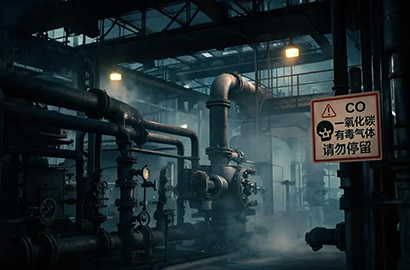
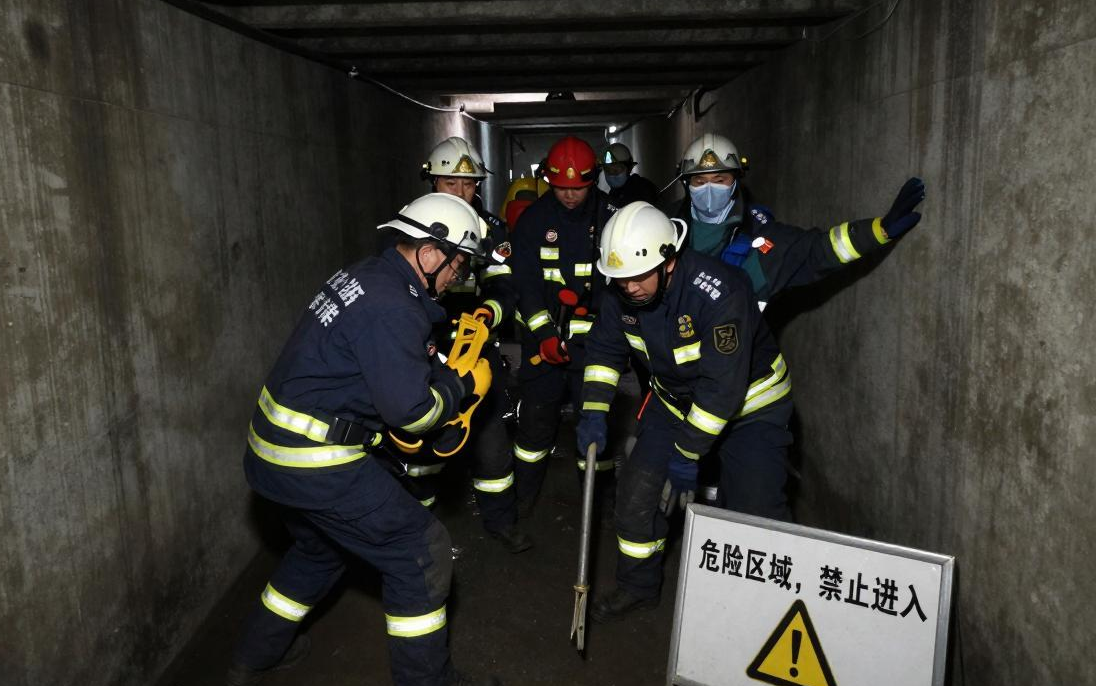
In September 2025, a poisoning and asphyxiation accident occurred at a shipbuilding company in Shanghai. During inerting operations on a liquid tank, high-concentration nitrogen gas entered the cargo hold due to a valve not being fully closed. The work team leader, without having gone through confined space operation approval procedures, illegally arranged for personnel to enter, ultimately resulting in the deaths of three workers from oxygen deficiency and asphyxiation.
This is merely the tip of the iceberg when it comes to confined space accidents.
According to bulletins from the Ministry of Emergency Management, in the first half of 2025 alone, 15 relatively serious confined space accidents occurred nationwide, causing 50 deaths. Looking back over the past two years, confined space poisoning accidents have happened repeatedly:
– In August 2025, a relatively serious confined space accident occurred at the Shuikeng Coal Mine of Guangfeng Mining in Fujian Province, resulting in 7 deaths.
– In February 2025, a confined space poisoning accident occurred at a livestock farm’s manure treatment environmental renovation construction site in Heshan, Jiangmen, Guangdong, causing 2 deaths and 1 injury.
– In April 2024, a hydrogen sulfide gas poisoning accident occurred inside a pipeline well at a chemical company in Inner Mongolia, resulting in 4 deaths and 1 injury.
– In November 2023, a poisoning and asphyxiation accident occurred during underground sewage pipeline construction by Fujian Yongwang Construction Group in Changle District, causing 3 deaths and 1 injury.
Behind these accidents lies a common cause—illegal operations: either ventilation and detection were not conducted, approval procedures were not completed, protective equipment was missing, or blind rescue attempts led to expanded casualties. These bloody lessons repeatedly prove one point: when it comes to confined space work safety, there is absolutely no room for(taking chances/luck).
Against this backdrop, the State Administration for Market Regulation and the Standardization Administration of China issued the mandatory national standard GB 46768-2025 Technical Specification for Safe Work in Confined Spaces on October 31, 2025. The standard will officially take effect on May 1, 2026.
At its core, it establishes a “full-process closed-loop control system”, upholding the fundamental principle of “ventilate first, detect second, work third.” It applies to industries including manufacturing and trade, non-coal mines, and construction, serving as the central basis for preventing confined space work safety accidents. This represents a milestone in China’s confined space work safety standards, marking a new stage of scientific and refined safety management.
Definition of “Confined Space”
A “confined space” refers to a space that is enclosed or partially enclosed, **not designed as a fixed workplace, where personnel can enter to perform work, and where toxic, harmful, flammable, or explosive substances are prone to accumulate or oxygen levels are likely to become insufficient.
This definition differs from the analogous spaces defined in GB 30871-2022 Safety Code for Special Operations in Hazardous Chemical Enterprises, which covers the chemical, hazardous chemical, pharmaceutical, and shipbuilding industries. This distinction enables enterprises across different industries to precisely align with the corresponding standards and targetedly enhance their safety management.
Core Requirements of the New Standard: Gas Detection
Gas detection stands at the heart of confined space work safety prevention and control. GB 46768-2025 imposes **unprecedentedly stringent requirements** for gas detection, with the fundamental principle of **”ventilate first, detect second, work third”** serving as an absolute mandate.
1. Pre-Detection Preparation**
- Investigate and analyze the types of hazardous gases potentially present — never detect blindly
- Agitate accumulated water, sludge, and material residues to ensure full release of hazardous gases, preventing situations where concentrations read low during detection but spike dangerously after entry
2. Detection Parameters**
Mandatory detection: Oxygen, combustible gases, hydrogen sulfide, and carbon monoxide — requiring a four-in-one gas detector
Targeted detection: Additional toxic and harmful gases based on the specific work environment (e.g., ammonia, chlorine, carbon dioxide, benzene series compounds, etc.)
3. Detection Methods**
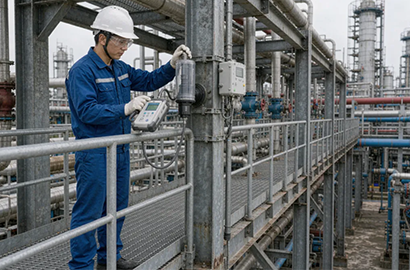
- Use pump-suction gas detection and alarm instruments (enabling remote sampling)
- Detection personnel must position themselves upwind outside the confined space (protecting detector safety)
- Detection sequence: From top to bottom, from near to far — accounting for gases heavier than air settling at the bottom and gases lighter than air accumulating at the top
4. Pass Criteria (Must Be Met Simultaneously)**
- Oxygen content: 19.5%–23.5% VOL (below 19.5% indicates oxygen deficiency; above 23.5% indicates oxygen enrichment with explosion risk)
- Combustible gases: ≤10% LEL
- Toxic and harmful gases: ≤ maximum allowable concentration or short-term exposure limit
5. Continuous Monitoring**
- Real-time gas monitoring of the worker’s active zone throughout the operation
- Record instantaneous values every 15 minutes
- If detection data approaches alarm thresholds: immediately intensify ventilation and closely monitor
- If alarm thresholds are reached: immediate evacuation without exception
Technical Guidance and Product Solutions Under the New Standard
- Pump-Suction Becomes Standard Equipment
- 啊The new standard explicitly mandates the use of pump-suction gas detection and alarm instruments** for all confined space detection operations.Technical Guidance:Portable gas detectors must support pump-suction functionality
Pump flow rate must satisfy rapid sampling requirements
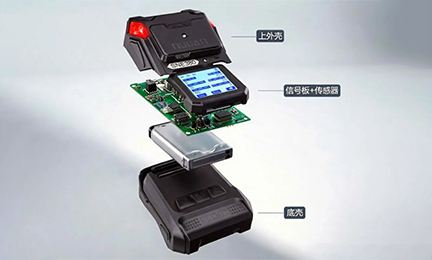
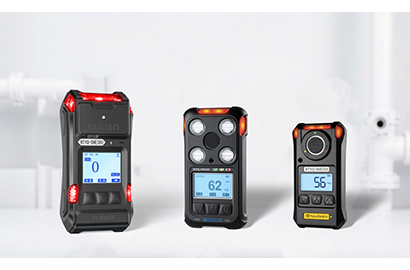
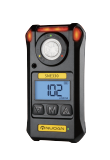
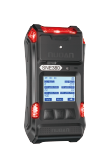
Extension sampling tubes must be capable of reaching deep into confined spaces to enable remote samplingNuoshen Intelligent SNE380 Multi-Gas Portable Detector features a built-in air pump for suction-based detection. Through extension sampling tubes, it achieves remote sampling without requiring detection personnel to enter hazardous zones. The pump delivers a flow rate of ≥350 mL/min (adjustable), meeting rapid sampling demands. A large-screen LCD displays real-time concentrations, while the LED illumination function proves particularly practical in poorly lit confined spaces. - Multi-Gas Simultaneous Detection
The “four-in-one” configuration has become standard equipment, while demand for detecting toxic and harmful gases such as VOCs continues to grow.
Technical Guidance:
- Portable gas detectors must deliver multi-gas simultaneous detection capability (minimum 4 gases)
- Must support multiple detection principles including electrochemical, catalytic combustion, PID, and infrared
- Modular sensor design enabling flexible configuration based on actual operational scenarios
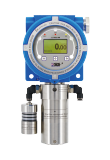
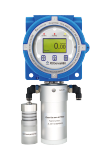
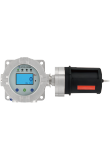
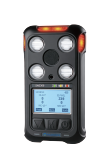
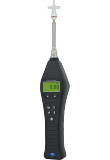
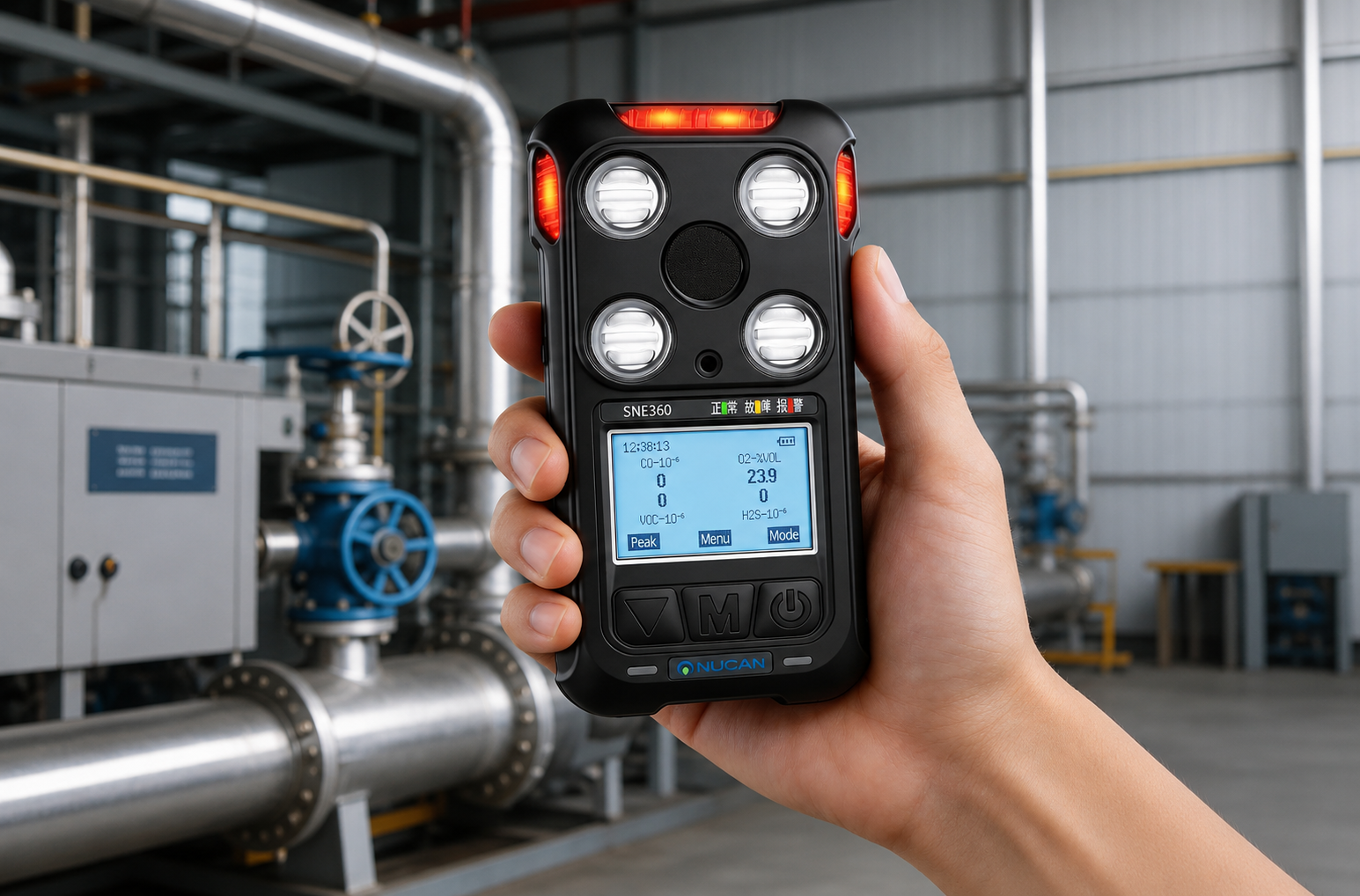
NuoAn Intelligent SNE360 Portable Gas Detector supports external pump suction and simultaneous detection of 1–5 gases, meeting the concurrent detection requirements for oxygen, combustible gases, hydrogen sulfide, and carbon monoxide. The SNE380 achieves simultaneous detection of 6 gases, equipped with catalytic, infrared, PID, and electrochemical sensors. The PIDView300 is purpose-built for VOCs detection, featuring a built-in high-performance air pump and employing vacuum nano-ceramic tube photoionization detection (PID) technology.
Digital Intelligence Upgrade
The new standard mandates that detection records be archived and preserved, with data logged every 15 minutes to ensure full traceability throughout the entire operation.
Technical Guidance:
- Portable detectors must feature historical data storage functionality
- Must support data export to PC for analysis
- Must possess IoT connectivity capability, enabling real-time data upload and remote monitoring
NuoAn Intelligent Product Solutions:
- SNE360: Supports up to 2 of detection history data storage, upload to PC for analysis
- SNE380:Supports IoT connectivity with Bluetooth 5.0 data transmission, providing technical support for digital management of operational processes
- SNE330E:Lightweight single-gas detection solution, stores 1,000 local data records downloadable to PC, with traceable alarm history and ultra-long battery life, particularly suited for extended inspection operations
Enhanced Adaptability for Extreme Environments
Confined space work environments are inherently complex, with high temperatures, high humidity, dust, and corrosive gases being the norm — placing greater demands on the environmental adaptability of detection instruments.
Technical Guidance:
- Protection rating no lower than IP66
- Operating temperature range must cover -20°C to 55°C
NuoAn Intelligent Product Solutions:
- Military-grade structural design with IP66 high protection rating
- Anti-static rubberized coating design, capable of withstanding rain immersion and dust infiltration
- Maintains ±3% accuracy in environments ranging from -20°C to 55°C at 95% RH
Safety Is No Small Matter — Standards Protect Lives.
Choose NuoAn, Choose Peace of Mind!
Shenzhen NuoAn Intelligent Co., Ltd.
National High-Tech Enterprise / National Specialized and Innovative “Little Giant” Enterprise / Shenzhen Manufacturing Single-Champion Product Enterprise / National Intellectual Property Advantage Enterprise / Shenzhen Famous Brand / Shenzhen Postdoctoral Innovation Practice Base
Website: www.nuoandetector.com