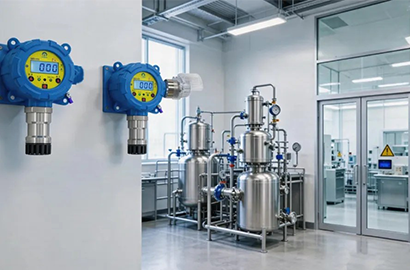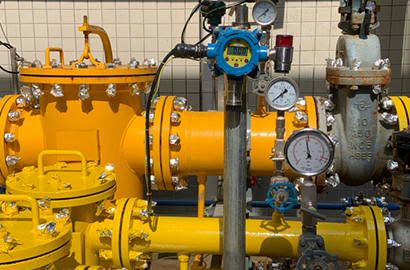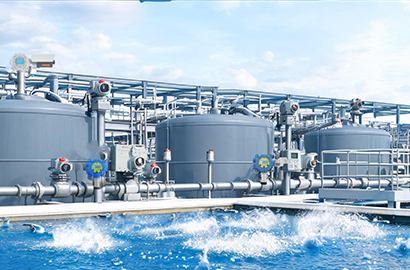












Ethanol vapors accumulating in the air, trace leaks in ammonia refrigeration systems, chlorine concentrations exceeding limits in organic synthesis workshops—behind every process in the pharmaceutical industry lurk significant gas safety hazards that cannot be overlooked. These invisible, odorless threats, once失控, can cause anything from personnel poisoning to catastrophic explosions.
This article systematically examines the critical scenarios for gas safety detection in pharmaceutical facilities, identifies common gas types, and provides practical recommendations for gas detector configuration and installation in accordance with relevant national standards.
01 What Scenarios Involve Gas Safety Risks in Pharmaceutical Plants?
Pharmaceutical manufacturing involves complex production workflows—from active pharmaceutical ingredient (API) synthesis, extraction and purification, to sterilization and packaging—with each stage potentially exposing personnel to hazardous gases. Below are the six most critical scenarios where gas safety risks are concentrated:
Chemical Synthesis Workshops Heavy use of organic solvents (ethanol, toluene, acetone, etc.), with reaction processes potentially generating toxic byproducts such as hydrogen chloride, chlorine gas, and hydrogen sulfide.
Refrigeration Machinery Rooms Medium and large-scale pharmaceutical facilities commonly employ ammonia compression refrigeration systems. Ammonia leaks pose both acute toxicity and explosion hazards.
Fermentation Workshops Biological fermentation generates substantial volumes of CO₂, which can cause oxygen-deficient asphyxiation in sealed or poorly ventilated spaces; certain microbial strains also produce hydrogen gas, creating explosion risks.
Extraction and Purification Workshops Volatile organic solvents such as ethanol, ethyl acetate, and n-hexane are widely used, with distillation and solvent recovery operations particularly prone to flammable vapor accumulation.
Sterilization Workshops Ethylene oxide (EO) sterilization is extensively employed for medical devices and APIs. EO is both a potent sterilant and a highly toxic, flammable gas.
Raw Material Storage Tank Farms Tank storage of flammable liquids (ethanol, acetone, etc.) involves significant vapor emissions. Continuous flammable gas monitoring across the entire storage area and surrounding zones is essential to prevent flash fires and explosions.
02 Key Gas Monitoring Checklist for Pharmaceutical Facilities
| Gas | Primary Source | Hazard | Recommended Technology |
| Ethanol Vapor | Extraction, synthesis, storage tanks | Flammable / Explosive | Catalytic Combustion |
| Ammonia (NH₃) | Refrigeration machinery rooms | Toxic + Flammable | Electrochemical |
| Ethylene Oxide (EO) | Sterilization workshops | Highly Toxic + Flammable | Electrochemical / PID |
| Hydrogen Chloride (HCl) | Chemical synthesis | Corrosive Toxic Gas | Electrochemical |
| Carbon Dioxide (CO₂) | Fermentation workshops | Oxygen Deficiency / Asphyxiation | NDIR Infrared |
| Hydrogen (H₂) | Fermentation, chemical reduction | Highly Explosive | Catalytic Combustion |
| VOCs (Organic Mixtures) | Cleanrooms, laboratories | Carcinogenic + Flammable | PID (Photoionization) |
| Oxygen (O₂) | Confined Space Operations | Oxygen Deficiency or Enrichment | Electrochemical |
Regulatory Standards Reference
GBZ 2.1-2019 — Occupational Exposure Limits for Hazardous Agents in the Workplace — Part 1: Chemical Hazardous Factors
GB 50160-2008 (2018 Edition) — Fire Protection Design Standard for Petrochemical Enterprises
GB 15603-2022 — General Rules for Storage of Common Hazardous Chemicals
Issued by: State Administration for Market Regulation / Ministry of Emergency Management / Standardization Administration of the People’s Republic of China
03 Common Deficiencies in Existing Gas Monitoring Systems at Pharmaceutical Plants
While many pharmaceutical facilities have installed gas detectors, the reality is that equipment is often deployed but poorly utilized—plagued by missed detections, false alarms, and data silos:
- Imprecise Sensor Selection Some manufacturers deploy catalytic combustion detectors across all applications indiscriminately. However, this technology exhibits extremely poor sensitivity to ethylene oxide and low-concentration halogenated hydrocarbons, creating dangerous scenarios where gas concentrations have already exceeded safe limits yet the instrument remains unresponsive.
- Empirical Installation Practices Installation personnel frequently overlook gas density differentials. For instance, hydrogen detectors—monitoring a gas significantly lighter than air—are sometimes mounted at waist height, allowing hydrogen to rise and accumulate at ceiling level entirely undetected.
- Inadequate Maintenance Regimens Electrochemical sensors typically carry a two-year service life, while catalytic combustion sensors require periodic calibration. Yet many facilities adopt an “install and forget” approach, leaving failed sensors in place and creating critical monitoring blind spots.
- Absence of System Integration When detectors trigger alarms without automatic linkage to ventilation systems or emergency shutoff valves, manual intervention becomes necessary. These response delays frequently cause facilities to miss the narrow window for effective incident containment.
- Fragmented Data and Traceability Gaps Standalone alarm units operating in isolation across different zones cannot feed into a unified monitoring platform. This fragmentation leaves facilities unable to produce comprehensive historical data during emergency management audits, falling short of GMP inspection requirements.
04 Installation and Configuration Standards: From Regulatory Requirements to Field Practice
The effectiveness of a gas detection system depends 50% on proper sensor selection and 50% on correct installation. The following core configuration principles are distilled from GB/T 50493-2019 Design Standard for Detection and Alarm of Flammable and Toxic Gases in Petrochemical Industry and GB 15322-2019 Point-Type Flammable Gas Detectors.
Mounting Height: Follow the Gas Density
| Gas Type | Typical Gases | Density Relative to Air | Mounting Height |
| Lighter than air | Hydrogen, ammonia, methane | < 1 | Within 2.0 m above the release source |
| Similar to air (slightly lighter/heavier) | Carbon monoxide, ethylene oxide | ≈ 1 | Within 1 m of the release source, height referenced to equipment outlet |
| Heavier than air | Ethanol, acetone, chlorine | > 1 | 0.3 m – 0.6 m above floor (or deck) level |
Detector Density: Coverage by Release Source
Per Article 4 of GB/T 50493-2019, detectors shall be deployed at the following detection points:
① Priority Coverage Near Release Sources
When monitoring flammable and toxic gases, detector probes shall be positioned adjacent to release sources and at locations where gases or vapors are prone to accumulate.
For open-flame fired heaters, flammable gas detectors shall be installed between the heater and flammable gas release sources, with a horizontal distance of 5 m – 10 m from the heater edge.
② Coverage Required at Access Points and High-Occupancy Areas
Oxygen detectors shall be installed in areas where personnel are present and where oxygen concentration variations—oxygen deficiency or enrichment—may occur during operations.
Flammable and/or toxic gas detectors shall be installed in process valve pits, trenches, and similar locations where personnel enter for inspection or operation, and where flammable gases heavier than air or toxic gases may accumulate.
③ Enhanced Deployment in Enclosed Low-Lying Areas
Detectors shall be installed within fire dikes surrounding storage tanks containing liquefied hydrocarbons, Class A-1B, and Class A-2A liquids that generate flammable gases.
In enclosed or semi-open hydrogen cylinder filling rooms, detectors shall be mounted at the highest indoor point above the filling station where gas is likely to stagnate.
④ Explosion-Proof Detectors in Hazardous Zones
For on-line analyzer shelters located within Zone 2 hazardous areas, flammable and/or toxic gas detectors shall be installed, along with oxygen detectors.
Alarm Controller Configuration Requirements
Per GB 16808-2025 Flammable Gas Alarm Controllers, controllers shall meet the following specifications:
Dual-level alarm configuration with first-level alarm (pre-warning threshold, typically 25% LEL) and second-level alarm (action threshold, typically 50% LEL), equipped with audible and visual alarm output interfaces capable of interfacing with ventilation systems, shutoff valves, and other actuating devices.
Installation Standards Reference
GB/T 50493-2019 — Design Standard for Detection and Alarm of Flammable and Toxic Gases in Petrochemical Industry
GB 15322.1-2019 — Point-Type Flammable Gas Detectors — Part 1: General Requirements and Test Methods
GB 12358-2024 — Toxic Gas Detection and Alarm Devices for Workplaces
GB 16808-2025 — Flammable Gas Alarm Controllers
Nuoan Technology— Industrial Gas Safety Detection Specialist
With deep expertise in industrial gas safety detection, NOAN Intelligent delivers end-to-end gas safety solutions tailored to the pharmaceutical industry’s stringent requirements for high cleanliness standards, multi-gas concurrent monitoring scenarios, and GMP compliance — spanning detector selection, site layout design, and system integration.
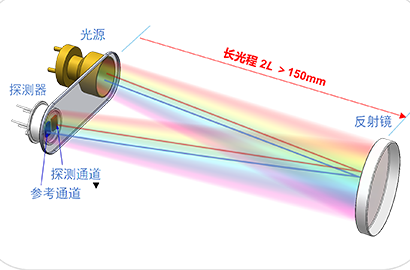
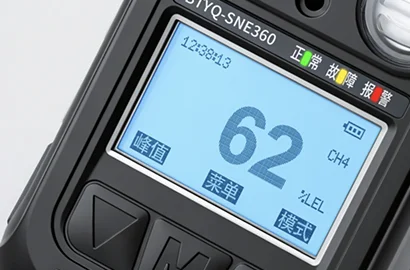
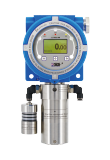
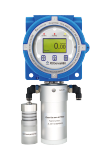
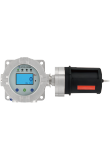
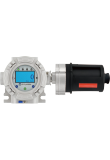
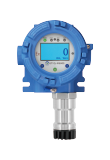
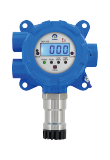
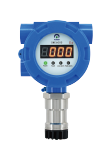
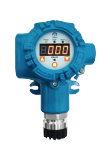
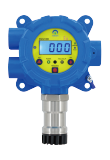
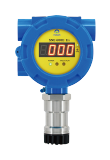
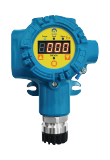
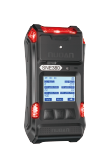
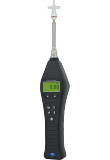
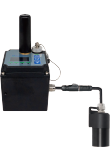
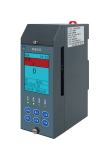
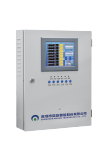
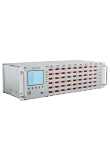
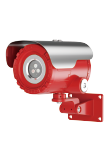
Our product portfolio encompasses fixed-point flammable gas detectors, electrochemical toxic gas detectors, dual-beam NDIR infrared flammable gas detectors, PID volatile organic compound analyzers, and multi-parameter gas alarm controllers. All systems support Modbus, RS485, and 4-20mA protocol integration, ensuring seamless compatibility with mainstream DCS/SCADA platforms and full traceability to meet pharmaceutical GMP audit requirements.
Four Steps to a Robust Gas Safety Defense:
- Select the right detectors
- Install them in the right locations
- Integrate them with the right systems
- Maintain them with discipline
Only when all four steps are executed properly is an effective gas safety perimeter truly established.
Planning a new gas safety system, facility upgrade, or compliance remediation at your pharmaceutical plant?
Connect with the NOAN Intelligent team for professional consultation and tailored services.